
Context & Challenge
Public interest designers—those working in government, civic tech, and community-focused organizations—face unique challenges that mainstream design conferences don't adequately address. The constraints of public sector work, the complexity of designing for diverse populations with competing needs, and the ethical weight of decisions that affect marginalized communities all require specialized knowledge and peer support.
As someone deeply embedded in civic design and consequence-focused design thinking, I recognized the need for a gathering that would go beyond typical conference formats. The community needed more than passive presentations—they needed structured conversation, authentic connection, and space to work through real challenges together.
The challenge was creating an intimate, collaborative conference experience that would feel accessible and energizing rather than overwhelming. How could we design sessions that encouraged participation rather than spectating? How could we ensure first-time conference attendees felt as valued as senior practitioners? And how could we create lasting connections rather than transient interactions?

Keynote presentations covered critical topics including design in child welfare, bridging design and product management, designing the moment, and healing-centered design—all grounded in real public sector experience.
Role & Responsibilities
I served as Co-Organizer and Program Director in collaboration with Technologists for the Public Good and AIGA-PDX. My role spanned vision-setting, program design, community engagement, speaker coordination, and day-of execution.
Key Responsibilities
- Program Vision & Design: Shaped the conference format around conversation and collaboration rather than traditional lecture-style presentations, emphasizing unconference elements and participant-led discussion
- Speaker Curation & Coordination: Recruited keynote speakers and session facilitators with deep public sector experience, including practitioners working in child welfare, federal digital services, state and local government, and civic tech organizations
- Community Building Strategy: Designed structured networking activities, small group conversations, and "unconference" sessions where attendees shaped the agenda based on shared interests and challenges
- Partnership Management: Collaborated closely with Technologists for the Public Good leadership and AIGA-PDX chapter volunteers to coordinate logistics, communications, and community outreach
- Format Innovation: Introduced unconventional session formats including lightning talks on unexpected topics (like mycelium-inspired design and designing a converted car/office/home) and panel discussions on career paths and breaking silos
- Event Operations: Managed venue logistics, catering, AV setup, materials preparation, and volunteer coordination for the two-day event
This work built on my experience organizing community gatherings and my commitment to creating inclusive, accessible spaces for practitioners doing difficult work in complex systems.
Approach & Process
The core principle guiding our approach was simple but powerful: design for connection first, content second. While many conferences optimize for knowledge transfer, we optimized for relationship building and peer support, knowing that the most valuable resource for public sector designers is each other.
Key Phases
- Community Listening & Needs Assessment: Conducted informal conversations with practitioners across government levels and civic organizations to understand what they were missing in existing professional development opportunities
- Format Design & Partner Alignment: Worked with Technologists for the Public Good and AIGA-PDX to design a conference structure that balanced keynotes with interactive sessions, structured networking with open space for emergent conversation
- Speaker Recruitment & Session Development: Prioritized speakers with lived experience in public sector design work, ensuring representation across federal, state, county, and city government as well as nonprofit and civic tech contexts
- Marketing & Community Building: Leveraged partner networks and social media to reach practitioners who might not typically attend design conferences, with particular focus on making the event accessible to government employees
- Pre-Event Preparation: Created detailed run-of-show documents, prepared facilitators, coordinated volunteers, and established contingency plans for common conference challenges
- Day-Of Execution & Adaptation: Managed real-time adjustments, supported facilitators and speakers, and ensured participant needs were met throughout the two days
- Post-Event Follow-Through: Distributed feedback surveys, compiled lessons learned, and created pathways for continued community connection beyond the event
One of our most successful innovations was the balance between structured and unstructured time. We built in significant space for informal conversation and unconference sessions where participants could propose topics and lead discussions themselves. This created a sense of ownership and ensured the program remained responsive to attendee needs in real-time.
Building Community Through Design

The heart of Design for the Public 2024 was its emphasis on genuine connection. Rather than defaulting to the traditional conference model of expert-to-audience knowledge transfer, we created a gathering where every participant was recognized as having valuable experience and insights to share.
We facilitated small group introductions where people shared not just their professional roles but their motivations for doing public interest work. We designed panel discussions as conversations rather than presentations. We created space for attendees to share their own stories on stage through lightning talks that welcomed unconventional topics and perspectives.
This approach emerged from my belief that public sector designers often work in isolation—sometimes they're the only designer in their agency, or one of only a few. Creating space where they could see themselves reflected in others' experiences, where they could be vulnerable about challenges without fear of judgment, and where they could find collaborators and friends was as important as any skill-building session we might offer.
Session Highlights
The conference program balanced inspiration with practical insight, featuring sessions that addressed the unique challenges of public interest design:
Keynote Sessions
- Design in Child Welfare: Exploring the high-stakes consequences of design decisions in social services systems
- Bridging Design and Product Management: Strategies for effective collaboration in government contexts with limited resources
- Designing the Moment: Creating meaningful interactions within constrained public sector systems
- Healing-Centered Design: Frameworks for designing services that acknowledge and address trauma
Panel Discussions
- Career Paths in Public Interest Design: Practitioners at different career stages sharing how they entered and navigated public sector work
- Breaking Silos: Strategies for collaboration across departments, agencies, and levels of government
Lightning Talks & Unconference Sessions
- Participant-led discussions on shared challenges and emerging practices
- Lightning talks on unconventional topics including mycelium-inspired design principles and designing a mobile office/home
- Open space sessions where attendees proposed topics and facilitated peer conversations
Event Gallery
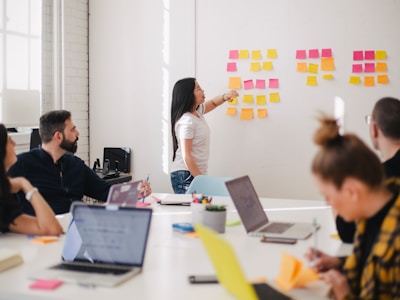
Moments from throughout the conference, capturing collaboration, learning, and community building:



Deliverables
- Two-day conference with 15+ sessions including keynotes, panels, lightning talks, and unconference discussions
- Structured small group networking and peer conversation opportunities
- Post-event documentation and resource sharing for continued community learning
- Ongoing community space for attendees to stay connected and continue conversations
- Feedback and insights to inform future public interest design gatherings
- Partnership framework for collaboration between Technologists for the Public Good, AIGA chapters, and local civic tech communities
"This was such a thoughtful and fantastic event. Design for the Public is where you can find your fellow positive deviants in public service. Get involved!"
"Most conferences are based around sitting and listening to people flex. This conference was built around people chatting, talking, and getting to know each other."
"Design for the Public opened my eyes to the incredible impact designers can have in government at every level. The intimate, collaborative format created genuine connections that I just haven't experienced at other conferences. After two inspiring days of learning from designers across state, city, county, and federal agencies, I left with not just new knowledge, but a clear vision for what a career in public service design could look like."
Outcomes & Impact
Quantitative Results
- 80+ public interest designers from government agencies, civic tech organizations, and community-focused nonprofits
- Representation from federal, state, county, and city government levels
- 15+ sessions across keynotes, panels, lightning talks, and unconference discussions
- 92% of attendees strongly agreed they found value in the event
- 84% of attendees strongly agreed they grew their professional networks
- Successful collaboration across three partner organizations: Technologists for the Public Good, AIGA-PDX, and PDX Design Month
Qualitative Impact
The feedback from attendees revealed that Design for the Public created something many had been seeking but hadn't found in other professional spaces. Multiple participants described it as "the conference I'd been waiting for in my career" and "historic" in its approach to bringing public sector designers together.
The informal, participant-driven format proved particularly successful. Attendees appreciated the ability to shape the agenda through unconference sessions and the emphasis on authentic conversation over polished presentations. The small group activities and structured networking created conditions where genuine relationships could form quickly.
Perhaps most significantly, the conference helped validate the work and experiences of public sector designers. For those who might be the only designer in their agency or working in isolation, seeing a room full of peers facing similar challenges and driven by similar values was profoundly affirming. Many left with clarity about their career paths in public service and enthusiasm for continuing the work.
Partnership & Collaboration
Design for the Public 2024 was made possible through close collaboration with Technologists for the Public Good and AIGA-PDX, with support from PDX Design Month. This partnership model allowed us to combine resources, networks, and expertise to create something none of us could have built alone.
Technologists for the Public Good brought their national network of public sector practitioners and deep expertise in community building for civic technologists. AIGA-PDX provided local design community connections, event production experience, and understanding of the Portland creative ecosystem. My role was to bridge these partners, shape the program vision, and ensure the conference stayed focused on the specific needs of public interest designers.
The success of this partnership has already led to planning for future events, with all partners committed to continuing to support and grow the public interest design community.
Reflections & Key Learnings
Leading Design for the Public 2024 reinforced several insights about conference design and community building that continue to shape my work:
Key Takeaways
- Design for connection, not just content: The most valuable outcomes came from relationships formed rather than specific presentations attended. Prioritizing structured opportunities for authentic conversation created lasting value beyond the two-day event.
- Embrace unconference elements: Giving participants agency to shape the agenda through unconference sessions created stronger engagement and ensured the program addressed their actual needs. People showed up more fully when they had ownership over the space.
- Small is powerful: An intimate gathering of 80+ people allowed for depth of connection that larger conferences can't replicate. Being able to remember faces, have follow-up conversations, and create genuine community felt more valuable than maximizing attendance.
- Trust the community's expertise: Every person in the room had valuable experience to share. Creating pathways for attendee-led sessions (like our lightning talks on unconventional topics) enriched the program in ways a curated-only approach never could.
- Partnership multiplies impact: Collaborating with Technologists for the Public Good and AIGA-PDX meant we could reach broader networks, pool resources, and benefit from each organization's strengths. The event was stronger because it was truly collaborative.
If I were to approach this again, I would build in even more unstructured time and create additional pathways for pre-event connection so people could start forming relationships before arriving. I'd also experiment with extending the event to include project-based collaboration time where attendees could work together on actual challenges.
This experience deepened my conviction that the public interest design community needs ongoing spaces for peer support, not just annual events. The relationships and conversations that began at Design for the Public deserve sustained attention and care.
Looking Forward
Design for the Public 2024 was just the beginning. The organizing team is already planning future events and exploring ways to support the community year-round. For those interested in participating, joining Technologists for the Public Good as a member provides access to benefits and early information about upcoming gatherings.
Learn more about Technologists for the Public Good and their work supporting public sector practitioners at technologists.org and visit designforthepublic.org for conference information and resources.